
Wayfinding Signs
Wayfinding signs are useful, instructive and convenient ways of guiding people to where they can find certain areas or departments. These create a system that signals and present other visual reminders to help people move from one place to another in the most effective means possible. According to wayfinding expert Ernest Dwight, there are four types of wayfinding signs, namely identification, directional, informational, and regulatory signs.

3 Key Advantages of Wayfinding Signs
Clear Navigation That Enhances Visitor Experience and Brand Identity
Identification signs identify where the reader is currently located and point out to particular landmarks. These tell you where you are or when you’ve arrived at your target place. Directional signs are the typical examples that people think of when they hear or read wayfinding signs. These usually appear at junctions and show you where you should go to get to some areas around the junction. Informational signs inform people about useful things while you’re on your way. These could appear on highways and warn people that there’s heavy congestion ahead or if you’ll be entering a construction zone. Regulatory signs tell everyone about the requirements or regulations in place like no parking signs or those asking you to wear PPE.
Wayfinding signs help people quickly understand where they are and how to reach their destination, minimizing frustration in complex spaces like malls, hospitals, campuses, and offices.
Clear directional signage guides foot traffic efficiently, reduces congestion, and supports safe movement during both normal operations and emergencies.
Well-designed wayfinding signs reinforce your brand through consistent colors, fonts, and messaging, creating a professional and cohesive environment.

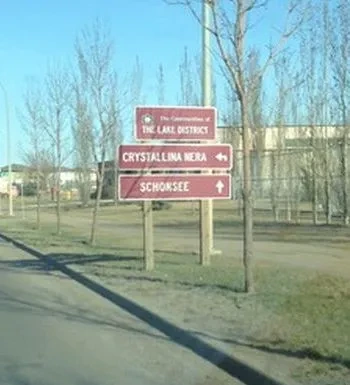
Wayfinding Signs Offered in Different Locations
Wayfinding signs communicate important messages and help everyone find their way around a specific area. These eliminate confusion, minimize stress, and even build your brand identity. You can also incorporate your chosen design aesthetic to the wayfinding signs. You can make things look good while you’re guiding people. That would certainly make them want to come back.
Wayfinding Signs Calgary
Wayfinding Signs Edmonton East
Wayfinding Signs Edmonton North
Wayfinding Signs Edmonton South
Wayfinding Signs Edmonton West
Wayfinding Signs Fort McMurray
Wayfinding Signs Grande Prairie
Wayfinding Signs Leduc
Wayfinding Signs Ottawa
Wayfinding Signs Sherwood Park
Wayfinding Signs Spruce Grove
Wayfinding Signs St. Albert
Wayfinding Signs St. John’s
Wayfinding Signs Stony Plain
Wayfinding Signs Winnipeg
Wayfinding Signs (FAQs)
Wayfinding signs are visual cues—such as directional, identification, and informational signs—that help people navigate and understand a physical space.
Common types include directional signs, room or area identification signs, maps, directories, and regulatory signs.
Yes, wayfinding signs can be customized in size, color, material, language, and branding to suit specific locations and audiences.
They are commonly used in hospitals, schools, airports, shopping centers, office buildings, hotels, and public spaces.
They improve customer satisfaction, reduce staff interruptions, and create a more organized and professional environment.
In many locations, yes. Wayfinding signs often need to follow accessibility guidelines, such as proper contrast, readable fonts, and the inclusion of Braille or tactile elements.